

Everyone heading to Japan piles into Niseko and Hakuba. But two hours north of Tokyo, in Fukushima’s Aizu region, sits a mountain most foreign skiers have never heard of — and that’s exactly why it’s worth your time. I’ve been riding Japan for over 20 years, and Nekoma is one of those places I keep going back to. Here’s the honest local guide: first the mountain, then exactly how to build a trip around it from Tokyo.
Part 1 — The mountain
Why Nekoma is suddenly one of Tohoku’s biggest

For the 2023–24 season the two former resorts — Alts Bandai (south) and Nekoma Snow Park (north) — were physically connected by a new 810 m linking lift and rebranded as Hoshino Resorts Nekoma Mountain. The combined area now runs 13 lifts and 33 courses across about 189 hectares, with roughly 39 km of total runs — one of the largest ski areas in northern Japan, straddling both the north and south sides of Mt. Nekomadake.
The local powder trick: north vs south

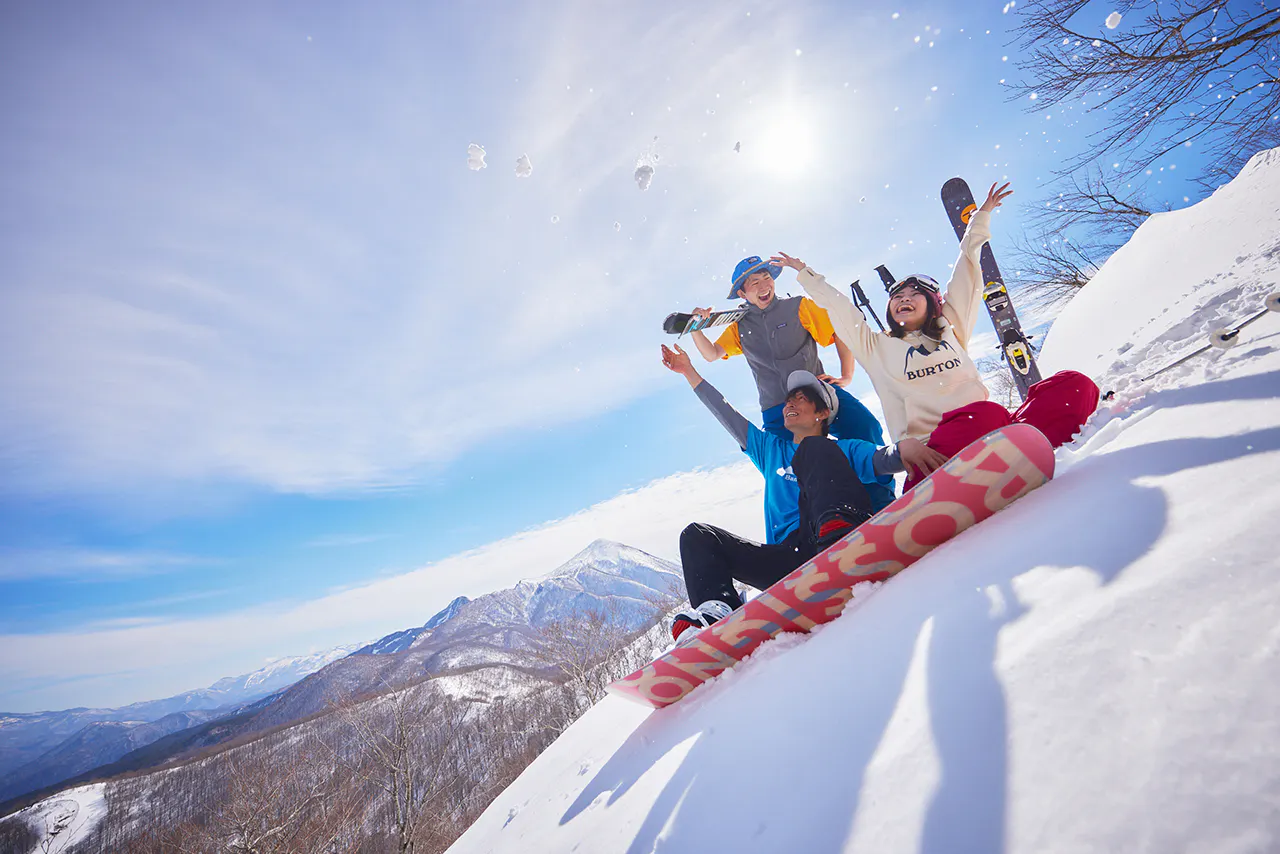
Here’s something you won’t find on the trail map: almost everyone bases themselves on the south (old Alts) side because the parking and access are easier. That side is bright, sunny and lively. The north (old Nekoma) side is a longer haul from the base — which means the powder there stays untracked far longer. It’s moodier, quieter, almost remote-feeling. If you’re chasing fresh snow, point yourself at Forest 3 and the Devil hike-up area. That’s where I spend my powder days here.
For park riders: Step-Up Park South

Head to Step-Up Park South. It’s a proper progression park: the lower line steps you up through 3m → 4m → 5m → 6m kickers — the ideal size to drill a new trick or get comfortable hitting jumps for the first time — while the upper section runs bigger. When I was there in early January the top kickers were around 7 and 8 meters, but here’s the thing: as the season builds up, they keep growing and eventually get massive — well over 10 meters. So there’s a line for every level, and the park literally gets bigger as winter goes on.
Lift tickets & value

Nekoma is genuinely good value for its size. For the 2025–26 season the regular one-day adult lift ticket is ¥6,300, but if you buy an early-bird one-day ticket in advance it drops to around ¥4,300. And here’s a detail worth knowing: that ¥4,300 includes a ¥500 refundable IC-card deposit you get back when you return the card — so the real cost of riding is about ¥3,800 a day. Buy the early-bird ticket directly from the resort’s official site — best price, no third-party markup.
Riding Nekoma on the Ikon Pass
Nekoma is an Ikon Pass destination — one of ten in Japan for 2026/27. Ikon’s pass pages list up to 7 days here on the full Ikon Pass and up to 5 on Ikon Base, with no blackout or reservation mark against Nekoma (checked 6 October 2026). The pages set no consecutive-day condition either, so it’s easy to split a trip between Nekoma and other Japan Ikon stops like Myoko Suginohara, Zao Onsen or Furano. If you’re already holding an Ikon Pass for your home mountain, skip the early-bird ticket above — your lift access is covered, which makes Nekoma one of the cheapest powder stops you can bolt onto a Japan trip.
My honest take
Nekoma works for both powder hunters and park riders, it’s cheap, and it’s close to everything you want off the hill. One small heads-up: on the day I went the Muhyo (rime-ice) chair wasn’t running, so check lift status before you bank on riding the very top. And if you get a clear day, the view over Lake Inawashiro from up high is genuinely stunning.
Part 2 — How to actually do this trip from Tokyo
This is the part most guides skip. Nekoma isn’t a self-contained resort village like Niseko — the magic is that you fold it into a Tokyo trip. Here’s how I’d put the whole thing together, whether you’re flying in from Australia or North America.
Getting there from Tokyo
It’s far easier than most people assume. Tokyo Station to Koriyama is about 80 minutes by Shinkansen. From Koriyama you have two options:
- Direct reservation shuttle bus. Aizu Bus runs a direct bus from Koriyama Station to the Nekoma South (Minami) area — about 70 minutes, ¥1,500 per adult, roughly four services a day, reservation and prepayment required. For 2025–26 it runs daily from mid-December to early April.
- By car. The resort sits close to the Banetsu Expressway exit — roughly 40–50 minutes from Koriyama.
A quick note on rail passes: there isn’t a JR pass that makes sense for a simple Tokyo–Nekoma round trip right now (the old Tohoku pass is gone, and the Tokyo Wide Pass doesn’t reach Koriyama), so just buy the Shinkansen ticket directly. A pass only pays off if you’re adding more of Tohoku — Sendai, Aizu, further north.
Flights: getting to Japan from Australia or the US
Two common starting points for Nekoma-bound riders:
- From Australia (Sydney). Sydney to Tokyo (Haneda or Narita) is a roughly 9–10 hour direct flight with Qantas, JAL, ANA or Jetstar — an easy overnight, and you land ready to ride. → Search Sydney–Tokyo flight + hotel packages
- From North America. The West Coast hubs (Los Angeles, San Francisco, Seattle) run roughly 11–12 hour direct flights to Tokyo; from the East Coast you’ll usually connect or take a longer direct. → Search US–Tokyo flight + hotel packages
The move I’d make: book your flight and your first Tokyo hotel together as a package. You usually save versus booking them separately, it’s a single confirmation, and it covers the jet-lag night in the city before you head north. (That’s an affiliate link — it helps keep these guides free, at no extra cost to you.)
A sample 4-day powder trip (Tokyo → Nekoma → Tokyo)
This is how I’d run it if you’re flying in for the snow but still want a taste of Japan. Mix and match — a tighter two-night version works too.
- Before you fly. Lock in your flight + first Tokyo hotel as a package, set up a Japan eSIM so you land already connected, reserve the Koriyama shuttle, and grab your Nekoma early-bird lift tickets from the official site. (Ikon Pass holders: your lift days are already covered — skip the ticket step.)
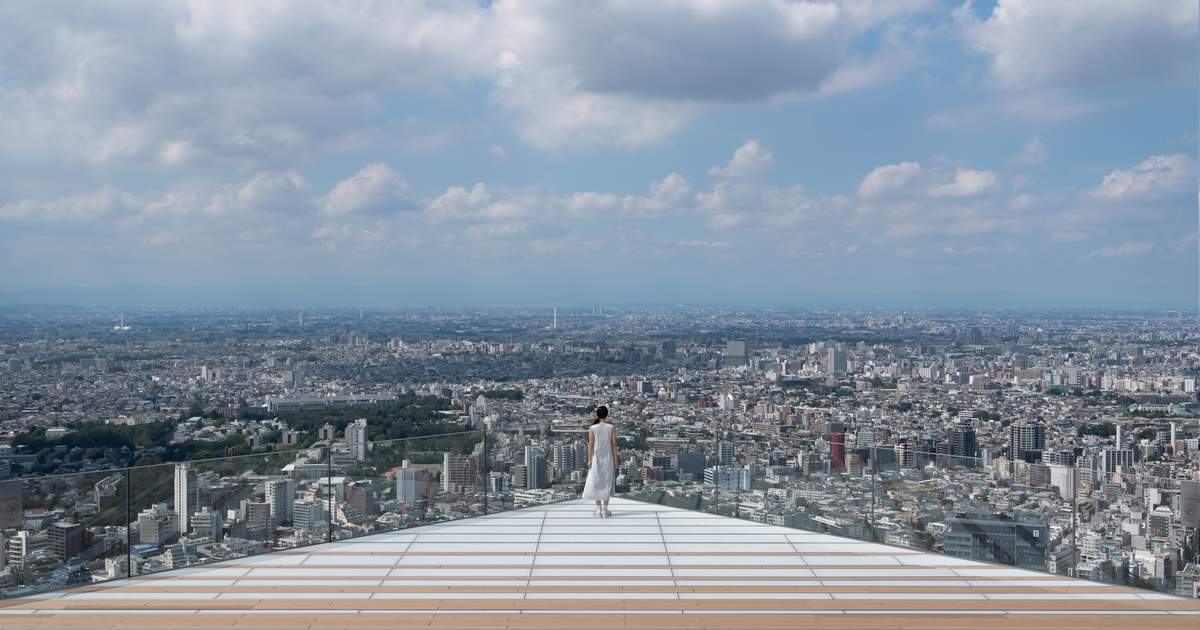
- Day 1 — Land in Tokyo. From Narita or Haneda, take a pre-booked airport transfer into the city, pick up a Welcome Suica / IC card for local trains, and sleep off the jet lag. If you’ve got the evening, Shibuya Sky or a quick city activity is an easy win.
- Day 2 — Tokyo to the snow. Shinkansen to Koriyama (~80 min), then shuttle or car to the mountain. Check in slopeside and ease in with afternoon laps on the sunny south side.
- Day 3 — Powder day. First chair, then straight to the quiet north side — Forest 3 and the Devil hike-up — for the snow that stays untracked. Park laps at Step-Up South if that’s your thing. Soak in the onsen that night.
- Day 4 — Onsen town, then home. Morning runs, or drive 30 minutes to Aizu-Wakamatsu: Tsuruga Castle and a long soak at a historic Higashiyama Onsen ryokan. Shinkansen back to Tokyo to fly out — or add a final Tokyo day.
Where to stay
Three bases, depending on the night:
- Tokyo (arrival/departure) — book it with your flight. A hotel near a JR station makes the Shinkansen morning easy, and bundling it into your flight package is usually the best value.
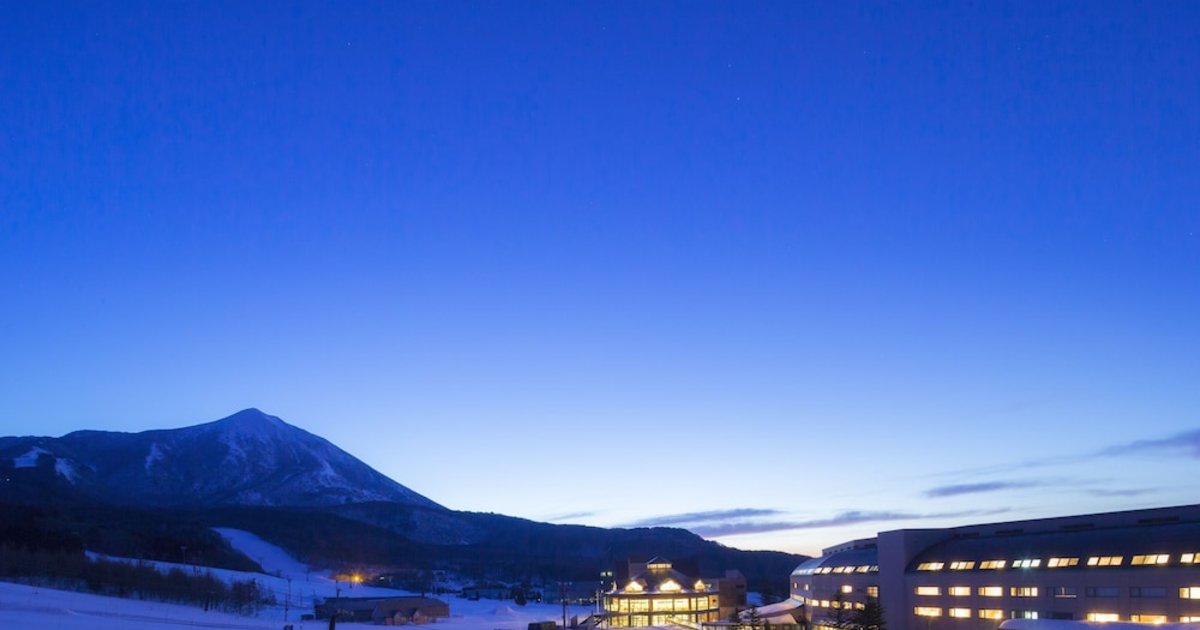
- Slopeside — Hoshino Resorts Bandaisan Onsen Hotel. Ski-in/ski-out at Nekoma’s South Gate, with an onsen and views over Lake Inawashiro. On the snow first thing, soaking by evening — book it for your mountain nights.
- Onsen & culture — Higashiyama Onsen, Aizu-Wakamatsu. Spend a night here to make the trip more than just skiing. Mukaitaki is a Meiji-era wooden ryokan and a registered cultural property; Harataki is a century-old inn with its own 100% free-flowing hot-spring source. Both are a short loop-bus ride from Aizu-Wakamatsu Station.
Book the essentials (and what to just buy direct)
I only point you to things I’d actually book this way. Some are affiliate links — they help keep these guides free, at no extra cost to you. Where buying direct is genuinely better, I say so.



- Flights + first Tokyo hotel (as a package) — the best-value way in from Australia or the US. (Sydney departures: Expedia Australia.)
- eSIM / pocket Wi-Fi — sort it before you fly so you’re connected on landing.
- Airport transfer & Welcome Suica — smooth out arrival day in Tokyo.
- Slopeside & onsen-town stays — your nights up north.
- Tokyo activities — for a buffer day before or after the mountain.
- Tokyo–Koriyama transport — buy the Shinkansen ticket direct from JR East. No rail pass pays off for this round trip.
- Lift tickets — if you’re on an Ikon Pass, Nekoma’s already covered, so nothing to book. If not, Nekoma’s early-bird lift tickets are sold through a Japan-only site, but worth the extra step for the discount. Usually on sale during Aug-Dec.
- Gear & essentials — skis/boards, outerwear, goggles, and other small items can all be rented at the resort, so check the official site if you’re not sure what’s covered.
FAQ
Is it safe to travel in Fukushima? Yes. The Aizu ski region sits in the mountainous interior on the western side of the prefecture, far from the 2011 coastal accident site, and its background radiation is normal — on some days resort operators have measured levels about the same as, or lower than, Tokyo. The area under any evacuation order has shrunk to a small fraction of the prefecture, and millions of people live and ski here every winter.
When’s the best time to go? Late January to mid-February is prime — that’s when you get the deep, dry “Japow” this region is famous for.
Is English spoken? As a Hoshino Resorts operation, signage and staff are more foreigner-friendly than most Tohoku resorts — though don’t expect full Niseko levels.
Is it beginner friendly? Yes — wide, gentle runs on the south side, with the north side and the park there for when you want to step up.
Planning a Japan ski trip beyond the crowds? See all the hidden-resort guides → and watch the short on YouTube — @SecretSnowJapan.